Learning History Up Close, SMA Muhammadiyah Kasihan Students Visit the UPY History Museorium
The History Museorium of Universitas PGRI Yogyakarta (UPY) received an educational visit from students of SMA Muhammadiyah Kasihan on Friday, 21 August 2026. The activity was part of efforts to streng…
by Humas UPY
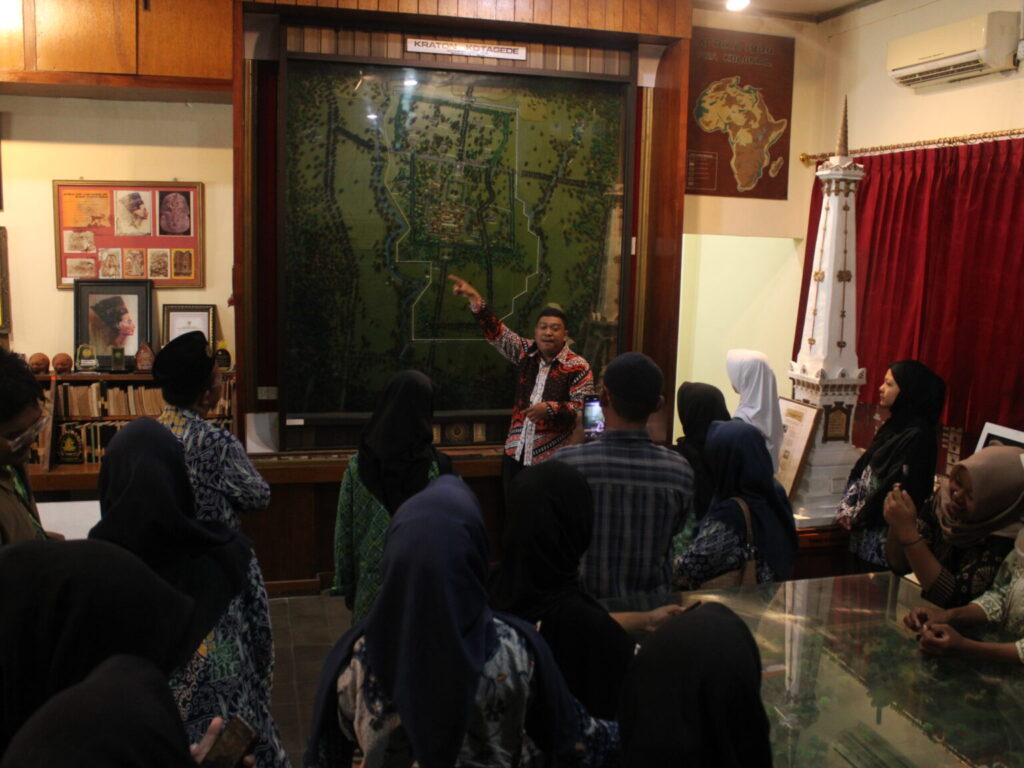
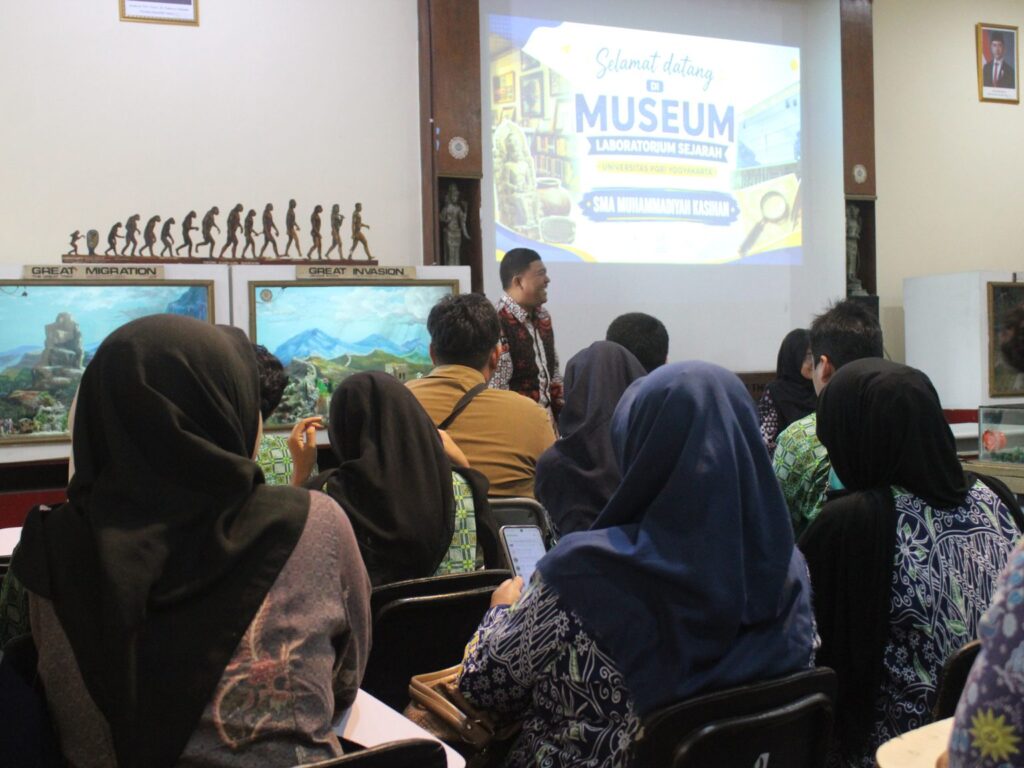
The History Museorium of Universitas PGRI Yogyakarta (UPY) received an educational visit from students of SMA Muhammadiyah Kasihan on Friday, 21 August 2026. The activity was part of efforts to strengthen history learning through direct experience while introducing the historical richness and cultural heritage of the Special Region of Yogyakarta to the younger generation.
During the visit, the students actively followed a series of learning activities. Various history materials were presented using the museum’s collections and educational media, so that participants not only gained theoretical knowledge, but could also understand historical events and developments through visual representations.
The Islamic Mataram Kingdom
One of the main materials introduced was the development of the Islamic Mataram Kingdom, once centered in Kotagede, Kerto, and Plered. To help students understand the history of the kingdom, the Museorium presented an educational model depicting the development of the Islamic Mataram seat of government.
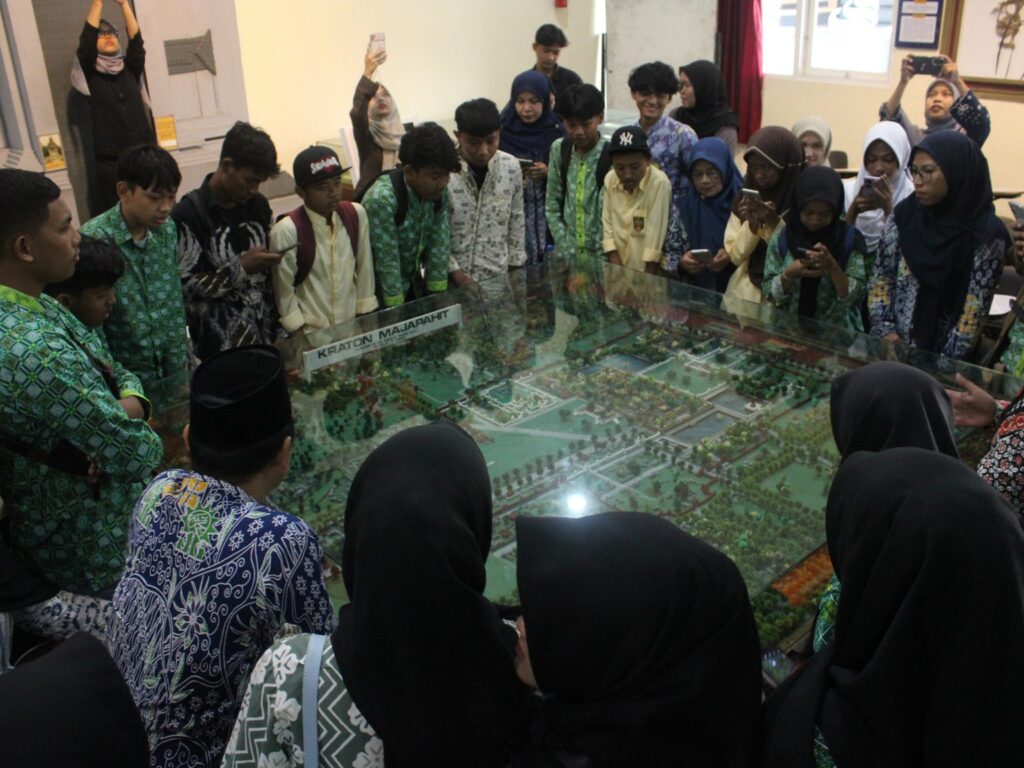
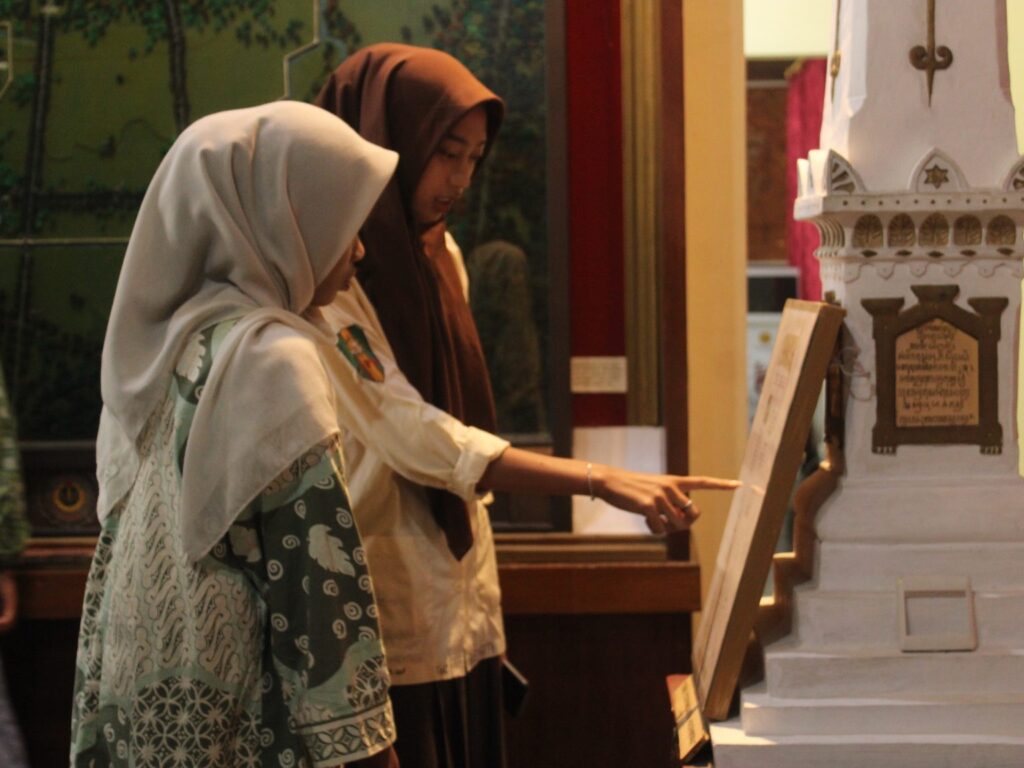
Through the model, students could observe changes in the seat of government while understanding the historical dynamics, spatial planning, and social and political developments of the Islamic Mataram era. This visual medium provided a more concrete picture of the kingdom’s role in the history of Java and Indonesia.
Philosophical Axis and Special Status
In addition to the history of Islamic Mataram, students also received material on the Philosophical Axis of Yogyakarta, recognized as a World Heritage site by UNESCO. The material was presented through a model of the Philosophical Axis showing the connection between Tugu Yogyakarta, Keraton Yogyakarta, and Panggung Krapyak as a single spatial unit with philosophical value.
Through this explanation, students were invited to understand that Yogyakarta’s spatial planning is not only about the physical arrangement of areas, but also represents the cultural values, philosophy, and outlook on life of the Javanese people, passed down from generation to generation.
The visit continued with an introduction to the Special Status of the Special Region of Yogyakarta (DIY), covering historical, cultural, and governmental aspects. Students gained insight into the historical background of DIY’s special status, the contribution of the Yogyakarta Sultanate to the nation’s history, and the characteristics of the governance system unique to the region.
The participants’ enthusiasm was evident in their involvement in every learning and discussion session. The interaction gave students the opportunity to ask questions, explore information further, and connect history materials with life and the cultural environment around them.
The visit became a learning experience that brought classroom knowledge together with direct understanding through the museum’s educational media. The presence of the Islamic Mataram history model and the Yogyakarta Philosophical Axis model helped students grasp history more concretely, while understanding that cultural heritage is not only a relic of the past, but an important part of the identity and life of today’s society.
Through this educational activity, the UPY History Museorium remains committed to being a history learning space open to the public, especially the younger generation. This effort is expected to improve historical literacy, foster concern for preserving cultural heritage, and encourage the younger generation to know and appreciate the history of their region.
By presenting learning that is informative, interactive, and contextual, the UPY History Museorium also plays a role in preserving historical memory and instilling the awareness that understanding the past is an important part of building the future.